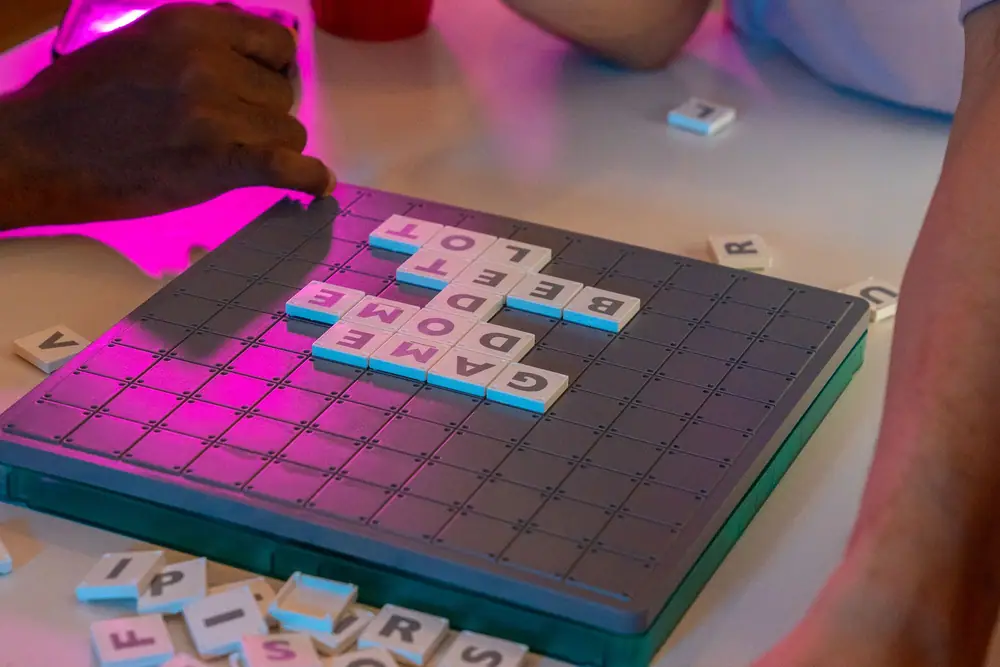
The easy art of a game night everyone remembers
A great game night is not about owning the right shelf of board games. It comes down to three things: a game that suits the people in the room, a table that is ready to play on, and a host who keeps the pace light.
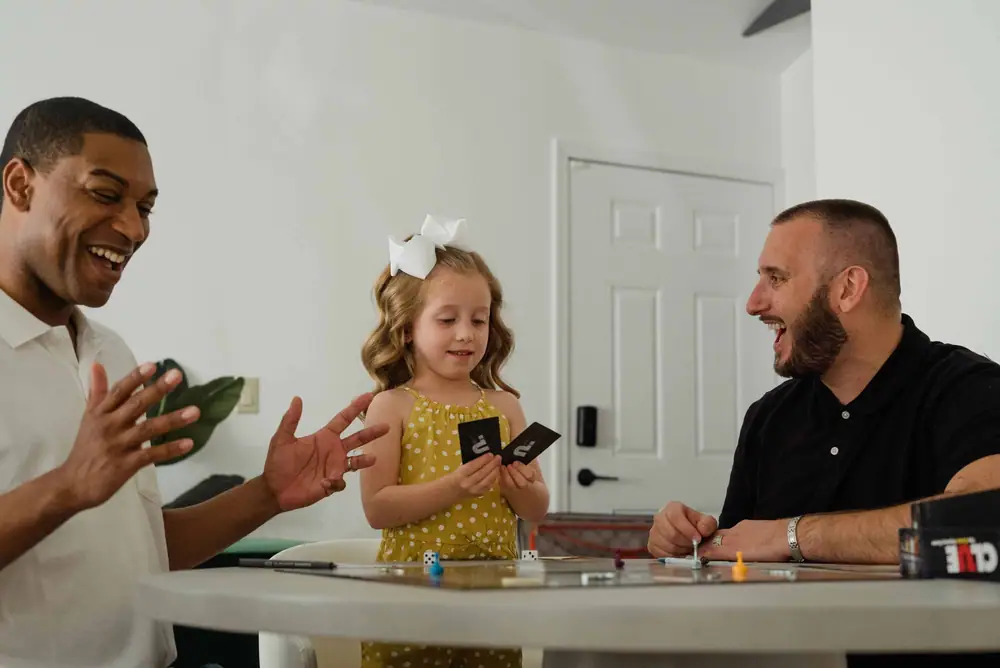
Think about the best evening of games you have been to. Chances are it was not the one with the most complicated strategy game or the most expensive snacks. It was the night when somebody mimed a penguin so badly that the whole room cried with laughter, or when a quiet cousin turned out to be unbeatable at trivia. Those moments come from people, but the host sets the stage for them.
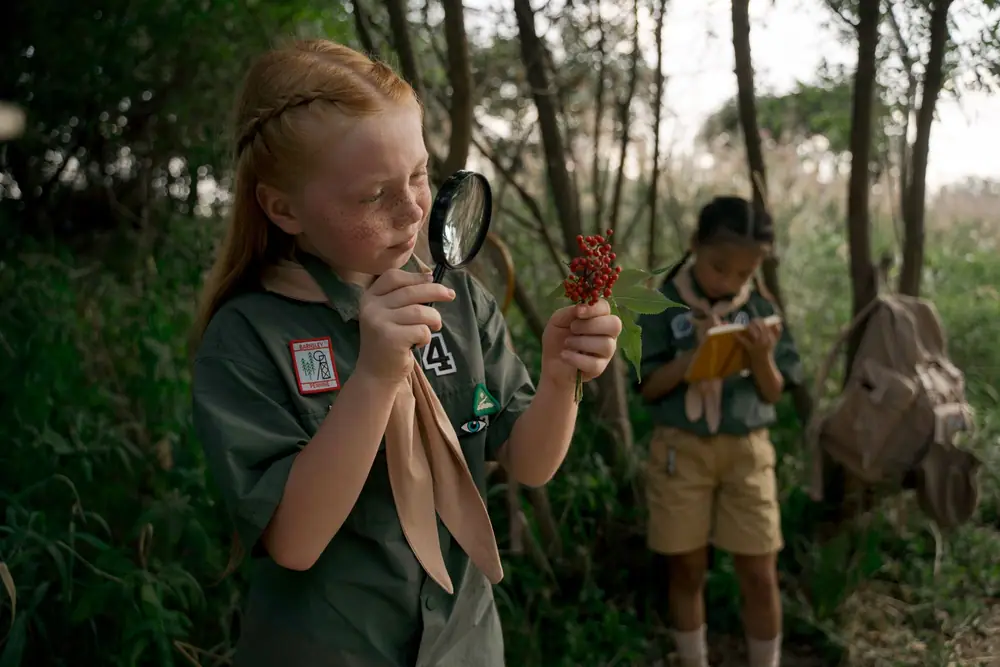
That stage is simpler to build than most people think. Printable games are a big part of it. A sheet of paper, a pair of scissors and ten minutes of prep can produce a scavenger hunt, a bingo round or a full deck of charades cards that fits your crowd exactly. No trip to the store, no hunting for missing pieces and no forty-page rulebook. This site exists to make that part easy, and this feature walks through the rest.
The right game
Match the game to your group size, ages and energy. A lively opener, a longer main game and a quick closer make a natural shape for an evening.
The right space
Clear the table, add good light, put snacks on a side table and have pens and a timer within reach before the first guest arrives.
The right pace
Explain rules in two minutes, stop games while they are still fun and take a real break halfway through for food and conversation.
Nobody remembers the game that ended early. Everyone remembers the one that dragged.
Rule of thumb for hosts
Why paper games still win
Screens have their place, but printed games have a quality that apps rarely match: everyone is looking at each other instead of a device. A trivia answer sheet passed between teammates, a bingo card covered in buttons, a charades card held close to the chest — these small physical rituals pull people into the same moment.
Printables are also endlessly adaptable. You can write a trivia round about your own family history, add a scavenger hunt item that only makes sense in your backyard or slip a card about last year’s camping disaster into the charades deck. Personal touches like these are what turn a generic party game into your group’s game.
And they are inclusive. Large print is one click away. Picture versions work for pre-readers. There is no need to own a console or download anything, and nobody feels left out because they don’t know the latest app.
Choosing by group size
The single most useful question a host can ask is: what is everyone doing while they wait for their turn? With three or four players, waiting is short and nearly any game works. With eight or more, turn-based games stretch out and people drift to their phones.
For bigger groups, pick games where everybody plays at once — team trivia, bingo, a scavenger hunt — or split into two tables and swap at the snack break. For small groups, a draw-and-guess round or a conversation game like icebreaker cards creates a relaxed, intimate evening.
Our guide to choosing games by group size and age goes deeper, with a full matrix from two players to forty.
The shape of a good evening
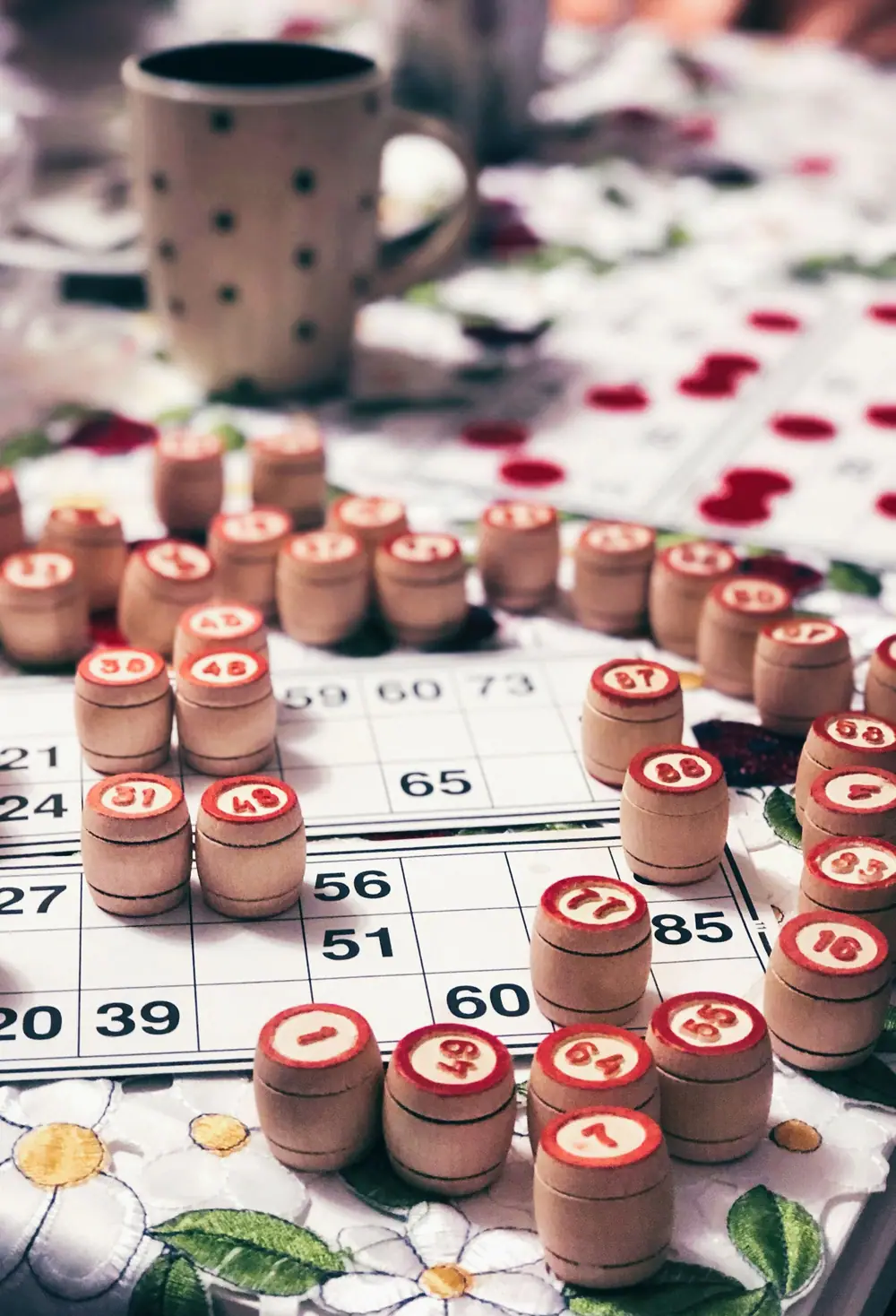
Game nights have a rhythm, and hosts who plan around it rarely run into flat moments. The first twenty minutes are about arrivals: people are still taking off coats and pouring drinks, so a game that people can join mid-way works best. People bingo and a bowl of icebreaker question cards are ideal here, because they give newcomers an easy reason to start talking.
Once everyone is settled, a short opener sets the tone. Five minutes of charades or a single round of quick-draw shows that the evening is going to be relaxed and a bit silly. Then comes the main event: the longest, most absorbing game of the night, whether that’s a four-round trivia quiz or a chained scavenger hunt through the house.
Arrivals
People bingo, icebreaker cards, a playlist at conversation volume. Nothing that needs everyone present.
Main event
Team trivia, a scavenger hunt or two tables of different games. This is the longest stretch.
Closer
Telephone drawing, speed charades or a final bonus trivia round. End on laughter, not exhaustion.
Hosting without the stress
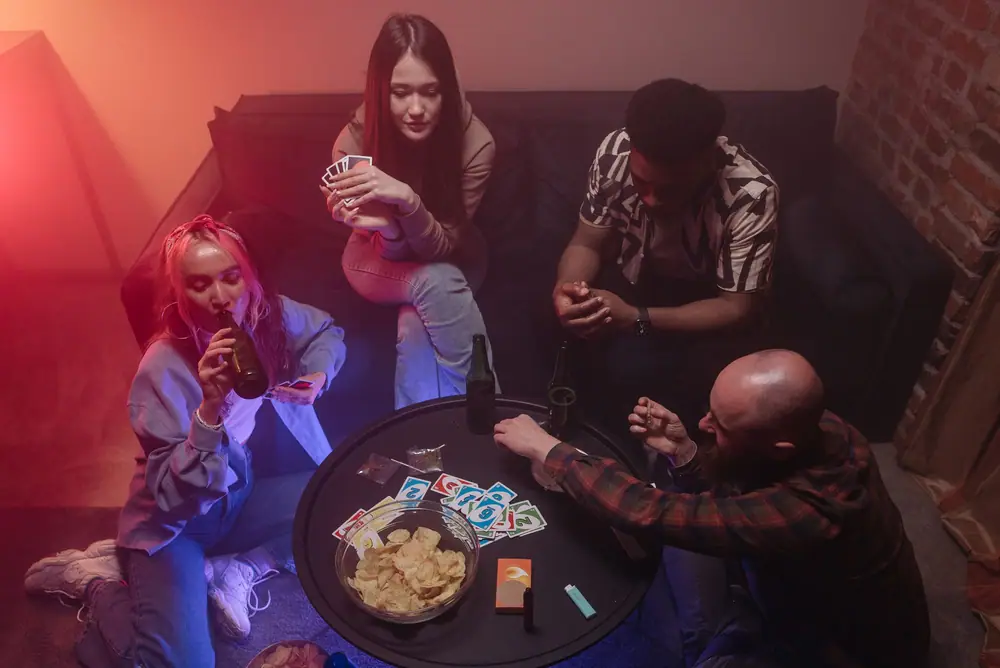
Hosts often spend the whole evening in the kitchen and miss the fun they worked to create. Choose snacks that can sit out — pretzels, skewers, brownie squares — and set them up away from the game table. Ask a friend to keep an eye on drinks. Let whoever knows a game best explain it.
Make room for guests who prefer to watch, and offer roles like scorekeeper, timekeeper or bingo caller. Some people love being the one with the answer sheet. Others are happiest in the thick of a charades round. A good evening has space for both.
For a complete list of what to sort out a week before, a day before and an hour before, see the game night planning checklist.
Plan the first ten minutes carefully. Everything after that tends to take care of itself.
Where to start
If you are hosting your first game night, start small: six to eight people, one printed kit and a simple snack table. The charades deck or the party bingo kit are good first picks because they need almost no explanation. Families with young children often love the scavenger hunt kit, and groups of friends who like a bit of friendly competition tend to gravitate toward the trivia night kit.
Every kit below comes with rules broken into numbered steps, a setup checklist, variations for different ages and a set of printable card previews that turn into a clean, ink-saving sheet when you print the page. Pick one, press print, and enjoy the evening.