
Family Game Night for Mixed Ages: Keeping Kids and Adults Engaged
Fair handicaps, shared roles and game picks that keep a five-year-old and a grandparent at the same table.
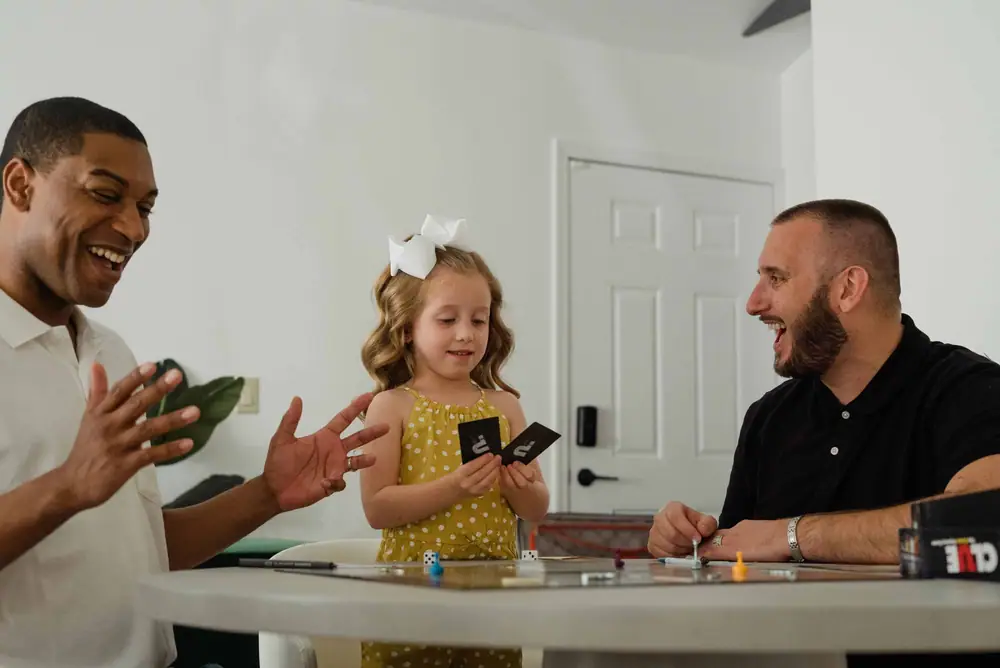
Family game night is lovely in theory and chaotic in practice. A six-year-old wants to win every round, a teenager would rather be anywhere else and a grandparent struggles to read the small print on a card. The good news is that with a few adjustments, the same game can be genuinely fun for all of them.
The mixed-age challenge
Different ages differ in three ways that shape how a game feels: attention span, reading level and how they handle losing. Young children lose interest after about fifteen minutes and may melt down after a loss. Teens enjoy games that reward cleverness and humor. Older adults often prefer games with clear rules and a slower pace. A good family game night plan addresses all three rather than hoping the game will.
Choose games where the fun is in playing, not only in winning.
Fair handicaps
Handicaps are small rule changes that give younger or less experienced players a real chance. Introduced openly and with good humor, they make games more exciting for everyone.
| Game type | Handicap for younger players | Handicap for experienced players |
|---|---|---|
| Trivia | Choose from two multiple-choice options | Answer without options, or within 10 seconds |
| Charades | Easy cards and sound effects allowed | Tricky cards only |
| Draw & guess | Extra 30 seconds to draw | Draw with non-dominant hand |
| Scavenger hunt | Picture list instead of words | Riddle clues only |
| Bingo | Share a card with a helper | Play two cards at once |
Give everyone a role
Roles are one of the simplest ways to engage kids who are too young for the full game and teens who say they don’t want to play.
For little ones
- Dice roller for the whole table
- Bingo number drawer
- Timer turner for charades
For teens
- Trivia host and question writer
- Scorekeeper with the final say
- Photographer for the scavenger hunt
Grandparents often make excellent bingo callers or trivia judges, and they tend to enjoy the role more than competing directly. Letting them tell a story behind a trivia answer adds a special touch that younger players remember.
Games that bridge ages
- Party bingo — picture cards for toddlers, number cards for everyone else.
- Charades — pairs of one adult and one child are hard to beat.
- Scavenger hunt — mixed-age teams with a picture list and a riddle list.
- Draw & guess — drawing skill doesn’t follow age, which makes it naturally fair.
- Family trivia — one round written by each generation.
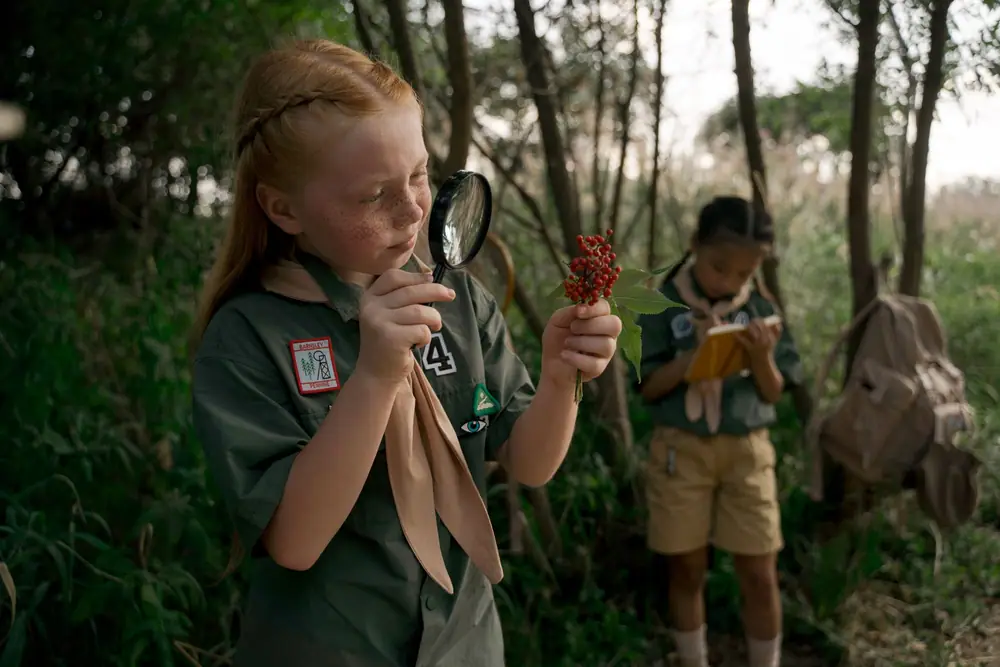
Handling the tough moments
Even the best-planned family game night has a wobble or two. A younger child loses three rounds in a row and dissolves into tears; siblings argue over whether a charades mime was fair; someone is simply tired. A few habits help.
- Name the feeling, then move on. “It is disappointing to lose, isn’t it? Want to be the caller next round?” works better than a lecture.
- Use teams when stakes feel high. Losing as a team is easier than losing alone, especially for young children.
- Let an adult referee. Agree before the game that one grown-up makes final calls, and that the call is not debated.
- Stop early. If energy dips, end with a quick cooperative activity rather than pushing through another round.
Handled calmly, these moments become part of the learning. Children who practice winning kindly and losing gracefully at the kitchen table carry those skills far beyond it.
Making it a routine
Family game nights work best when they become a habit rather than an event. Pick a regular slot — the first Friday of the month, or Sunday afternoons in winter — and let each family member take turns choosing the game. Keep it to around an hour for households with young children, and end before anyone is tired.
Over time, you will find family favorites and in-jokes that make the evening feel uniquely yours. That, more than any single game, is what turns family game night into something everyone looks forward to. Start this week with one printed kit and an hour on the calendar.
Keep reading

The Game Night Planning Checklist: From Invite to Clean-Up
Everything a relaxed host sorts out a week ahead, the day before and the hour before guests arrive.
Read the guide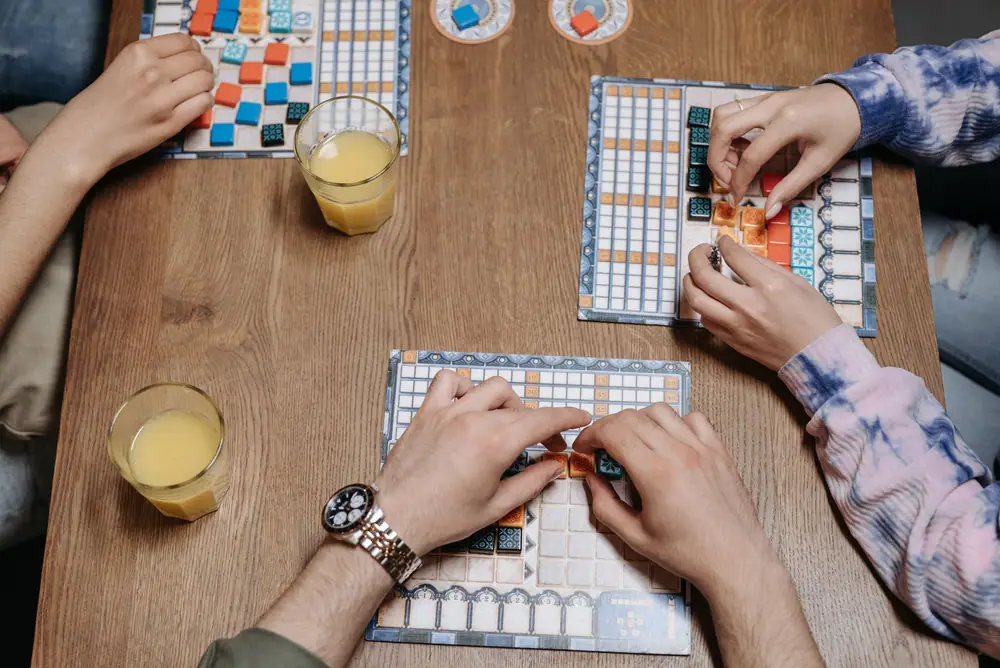
How to Choose Party Games by Group Size and Age
A clear matrix for matching games to three, six, twelve or twenty-five guests, with notes on mixed ages.
Read the guide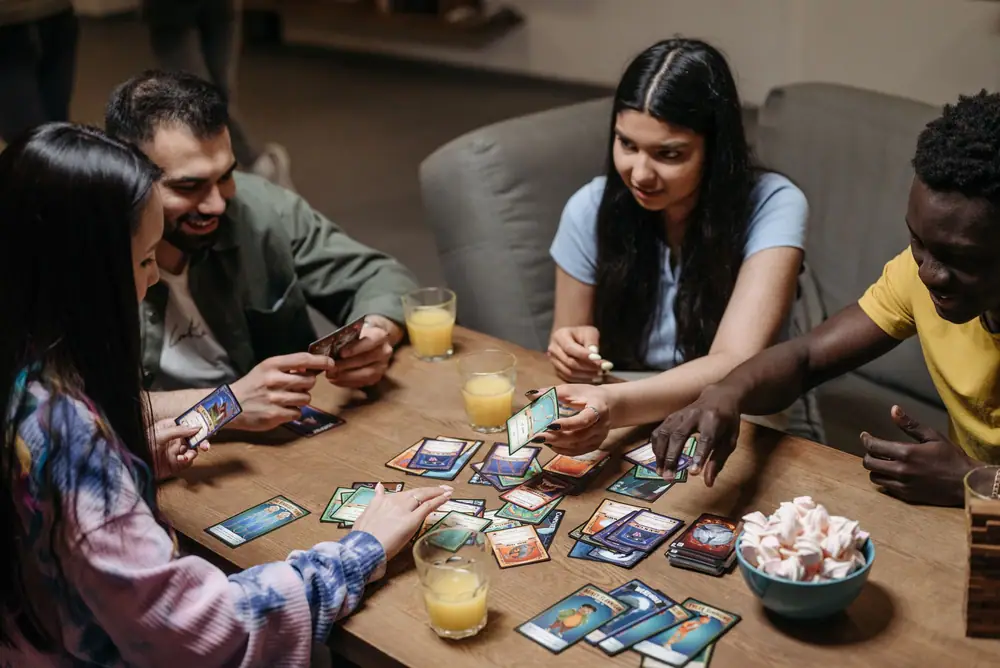
Hosting Tips for a Relaxed, Inclusive Game Night
How to teach rules in two minutes, include quieter guests and keep competitive players cheerful.
Read the guidePick a kit, press print, deal the fun.
Six printable game kits, each with rules, setup and ready-to-cut cards.